Developing Meaningful Regimens: Dementia Care in Small Assisted Living Homes
Business Name: BeeHive Homes of Albuquerque NM - Assisted Living Facility
Address: 6401 Corona Ave NE, Albuquerque, NM 87113
Phone: (505) 221-6400
BeeHive Homes of Albuquerque NM - Assisted Living Facility
BeeHive Village is a premier Albuquerque Assisted Living facility and the perfect transition from an independent living facility or environment. Our Alzheimer care in Albuquerque, NM is designed to be smaller to create a more intimate atmosphere and to provide a family feel while our residents experience exceptional quality care. Memory loss, dementia and Alzheimer's disease are becoming quite pervasive in our society. Dementia care assisted living in Albuquerque NM offers catered memory care services, attention and medication management, often in a secure dementia assisted living in Albuquerque or nursing home setting. We invite you to come and visit our elder care and feel what truly makes us the next best place to home.
6401 Corona Ave NE, Albuquerque, NM 87113
Business Hours
The very first time I viewed a resident with advanced dementia fold hand towels for forty peaceful minutes, I understood how much more effective a well developed regimen is than any activity calendar. Her name was Margaret. In a bigger structure she had actually been understood for "exit seeking" and agitation. In a small, boutique assisted living home, she became the unofficial linen manager. Same medical diagnosis, same cognitive rating, completely different daily life.
Boutique assisted living and small memory care homes have a distinct opportunity: they are small enough to construct the day around the person, not around the building. When you utilize that scale sensibly, regimens stop feeling like schedules and start seeming like a life.
This is where significant routines matter many. Not busywork, not "fill the time," but rhythms that protect dignity, decrease distress, and honor who the person has constantly been.
What "meaningful routine" in fact means
Families often tell me, "Keep Mom hectic, or she'll get distressed." That instinct is easy to understand, however it misses out on something necessary. The objective in dementia care is not constant activity, it is foreseeable, purposeful rhythm.
A meaningful regimen in a shop assisted living or memory care home usually has three qualities.
It feels familiar. Even when memory is fragmented, the nerve system remembers patterns. Coffee first, then shower. Music after dinner. Prayer before bed. These touchpoints give residents something to lean on when words and truths slip away.
It has a function that the resident can notice. People dealing with dementia still want to work. Setting placemats, arranging buttons, watering the deck plants, examining the mail box. If a resident can state "this is my task" or a minimum of looks like they understand why they are doing something, you are on the best track.
It respects the individual's long-lasting identity. A retired nurse will engage in a different way from a previous carpenter or instructor. When regimens echo those long-term roles, they use deep procedural memory and pride. Instead of generic "activities," you get pieces of their old life woven into the present day.
Meaningful routines are less about the what and more about the why and when. 2 homeowners can both peel carrots at the kitchen area island. For one, it is a pleasurable sensory activity. For another, it is an echo of years cooking for a huge family. Your job is to know which is which.
Why small, store homes have an advantage
I have actually operated in 100 bed communities and in houses with ten locals. The smaller settings, when handled deliberately, can shape routines with far higher precision.
A few things tilt the scales in favor of store assisted living and small memory care homes:
Staff see the entire day, not simply their "shift jobs." In a larger structure, a caregiver may only understand the early morning routine well. In a home with eight or twelve homeowners, the very same core group frequently sees breakfast, mid-morning, lunch, and in some cases even late afternoon. They observe patterns: "He always gets restless around 3 p.m. If he skipped his early morning walk."
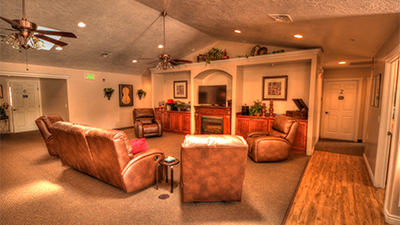
The environment acts more like a home than a facility. Doors, sounds, smells, and lighting stay fairly consistent. The coffee grinder, the clothes dryer buzzing, next-door neighbors chatting at the table. Foreseeable sensory input makes regimens simpler to anchor.
Schedules can flex without hindering an entire department. If one resident slept poorly and requires a slower morning, a small home can typically reorganize breakfast or bathing times without creating a cause and effect. That versatility is important for dementia care, where insisting on a rigid schedule regularly activates resistance or distress.
Supervisors can coach in real time. When there are just a handful of citizens, a supervisor can stand in the living room, observe the circulation for 20 minutes, and see where the day breaks down. They can experiment: little changes in music, timing, or seating, then rapidly see the impact.
The other hand is that small homes can drift into "whatever takes place, happens" if management is not deliberate. Excellent regimens do not emerge by accident. They are developed, tested, and revised with both resident requirements and staff truths in mind.
Understanding dementia through the lens of rhythm
Cognitive decline scrambles a person's capability to track time, follow series, and expect what follows. That loss alone is frightening. If the environment is likewise chaotic or unpredictable, the person resides in a consistent state of low grade alarm.
Routines imitate scaffolding for a brain that is losing its internal structure. They do a few things neurologically and emotionally.
They lower decision load. Every "What are we doing now?" is a small stress factor. If breakfast constantly follows getting dressed, there is less confusion and fewer arguments.
They anchor psychological memory. Someone may not recall that they had oatmeal half an hour earlier, however the calm they felt sitting at the exact same sunny spot each morning sinks in. The body remembers safe patterns.
They soften the edges of behavior signs. Aggression, wandering, and repeated questioning often rise when the individual feels unmoored. Predictable shifts at foreseeable times help keep the nervous system steadier, which implies less escalation.
They produce shared scripts for personnel and family. When everybody knows that after lunch is "peaceful music and one to one time," no one needs to improvise, and residents detect that confidence.
When I walk into a small senior care home where dementia care is going well, I hardly ever see a complicated activity board. I see a consistent rhythm that nearly hums in the background. Locals drift through it with cues from personnel, environment, and each other.
Building the day: a lived example of significant structure
To make this less abstract, envision a shop assisted living home with 10 citizens, seven of whom have some level of dementia. Here is how a meaningful routine might in fact feel from the inside.
Morning: how the day begins shapes everything
I sometimes explain early morning in dementia care as "setting the metronome." If the very first 2 hours are rushed and complicated, the remainder of the day rarely recovers.
In a well run home, staff aim for mild, constant get up that match each resident's natural pattern as closely as possible. The early bird, Mr. Carter, may be up by 5:30, making coffee with guidance, since he has done that for 60 years. Forcing him to "stay in bed until 7" is a dish for agitation. On The Other Hand, Mrs. Patel, who constantly slept late, may not be coaxed into the shower up until closer to 9.
Instead of a single loud statement for breakfast, smells and sounds cue the start of the day: bacon in the pan, toast popping, soft music at the same volume every day. These subtle signals matter more than words, especially for people with meaningful or receptive language loss.
Morning routines work best when they are broken into consistent mini rituals. Bathroom, wash face, comb hair, then the same cardigan. Strolling the exact same short corridor path to the dining table. Sitting in the very same chair with the very same location setting each day. When a resident can perform pieces of this independently, personnel resist the temptation to rush in and "assist too much." Maintaining independence, even if it takes longer, typically produces calmer days.
Medication and care jobs fold into this flow rather of tugging citizens out of it. The nurse might bring Mr. Carter's medications to his breakfast plate, inspecting vitals while he takes pleasure in toast. That feels far more natural than pulling him away to a different "med room."
Midday: choosing activities that feel like real life
By late morning, residents are often at their highest energy and focus. This is when I like to set up anything that demands even moderate effort, whether cognitive, physical, or social.
In a small memory care setting, this might look less like a formal "10:00 am activity" and more like a layered scene in a genuine family. Two locals fold laundry at the table. Another waters porch plants, arm in arm with a caregiver. Another person listens to old Bollywood tunes through headphones while your house manager preps vegetables, offering a carrot to peel here and there.
The vital piece is not that everybody participates, however that everyone has an option that fits their capability and character. The quiet former curator may choose to sort old postcards by color while residents with a more social history lead a simple group trivia video game or assistance set the table.
Lunch itself is a major anchor. Constant mealtimes, similar tablemates, and meals that echo long-lasting food preferences all enhance security. I worked with one gentleman who had matured on a farm. When we included a small bowl of sliced tomatoes from the garden to his lunchtime plate in the summer months, he began eating much better and needed less prompting. Tiny cues can unlock huge shifts.
Afternoon: handling the uneasy hours
For many people with dementia, the 2 to 6 p.m. Window is the most fragile. Energy dips, daytime changes, and the brain tires of compensating throughout the day. This is when sundowning behavior appears: pacing, watching personnel, tearfulness, or outbursts.
A shop assisted living home has tools here that big facilities struggle to match.
Physical motion gets woven into the regular before agitation peaks. A slow corridor "mail path" after lunch, where locals assist deliver newsletters or napkins, burns off some restlessness. A brief supervised walk in the garden becomes a day-to-day routine, not an as soon as a week treat.
Sensory environment is tuned with intent. Extreme overhead lights dim slightly as natural light softens, preventing disconcerting contrasts. Background noise drops. News channels, which can spike anxiety even in cognitively healthy adults, are restricted or switched off entirely in favor of calm music or nature scenes.
Quiet, hands-on tasks appear at predictable times. Basic crafts, familiar items, aromatherapy foot rubs, or simply browsing large photo books. One resident I knew, a retired mechanic, would spend nearly an hour each afternoon cleansing and arranging a bin of safe, non-functional tools. That changed his previous pattern of standing by the exit attempting to "go home."
Staff also pace their own regimens to match. This is not the time to change bedding in several spaces or hold noisy staff conferences. The more predictable and grounded the caretakers are, the more citizens obtain that steadiness.
Evening and nighttime: closing the loop
If morning sets the metronome, night smooths out the tempo. Sleep issues, falls, and overnight confusion all link carefully to how homeowners wind down.
Consistent, calm night regimens assist. The exact same series each night: light snack, preferred television program or music, bathroom, pajamas, perhaps a short bedside chat or prayer. Even residents with considerable cognitive loss typically respond to these signals. They might not understand it is 8:30 p.m., but their bodies acknowledge "this is what occurs before bed."
Lighting is worthy of special reference. In small homes, it is simpler to utilize warm, indirect light in the hours before bed and to keep hallways gently illuminated during the night. Abrupt darkness or pitch black restrooms prevail triggers for nighttime anxiety and falls.
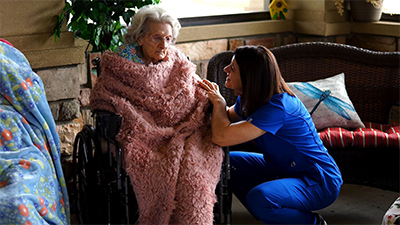
A good memory care regimen likewise anticipates night time awakenings. Some locals will dependably wake around 1 or 3 a.m. In a store home, personnel can construct micro routines here: a quick toileting journey, a prepared cup of warm milk, the exact same short encouraging expression. Over time, these small scripts frequently prevent 30 minute episodes from spiraling into two hours of wandering.
Balancing safety, autonomy, and staff workload
It is simple to sketch an ideal day on paper. The truth in senior care always involves trade offs. Staff shortages, unforeseen medical occasions, and brand-new admissions challenge even the very best prepared routines.
Three tensions show up once again and again.
Safety versus self-reliance. Letting a resident bring hot coffee may feel risky. However always changing it to a lidded cup with a straw can infantilize them. In small homes, groups can work out middle courses: strong mugs, closer supervision, or pouring half cups at a time.
Predictability versus personal option. A stiff schedule may be easier for staff to follow, however locals get frustrated when they can not oversleep sometimes or avoid an activity. The best routines I have actually seen integrate in pockets of versatility within a stable frame. Breakfast normally between 7 and 9, for example, rather of one specific time for everyone.
Structure versus staff tiredness. High quality dementia care asks caretakers to remain emotionally present, not simply physically readily available. If regimens demand continuous one to one engagement without considering staffing levels, burnout comes quickly. Boutique homes should match their day-to-day plan to real staffing ratios, and often that implies intentionally simplifying.
None of these tensions have permanent services. They need ongoing, sincere conversation amongst nurses, caregivers, management, and families. A regular that looks terrific on paper but leaves personnel tired will not last.
Crafting individual centered regimens: questions that really help
When brand-new citizens move into a memory care or assisted living home, the intake packet usually consists of a "life story" kind. Those can be important, but only if personnel convert those information into genuine routines.
Here is one focused set of questions I train caretakers to use, frequently throughout the first week, in discussions with families or the resident:
- "When the individual was living at home, what did an excellent morning look like for them, before dementia was a factor?"
- "What did they provide for work, and exists any small part of that we can echo here?"
- "What were their roles in the home: cook, organizer, garden enthusiast, fixer, social organizer?"
- "Exist any daily rituals or spiritual practices that really mattered, even if short?"
- "What time of day were they usually at their best, and when did they need more peaceful?"
Those five responses can form half the everyday structure. A former mail provider may walk the perimeter of the yard every afternoon with personnel, "examining the route." A long-lasting person hosting may help greet visitors or put coffee when family gets here. Somebody whose faith mattered deeply might gain from a short everyday prayer or bible reading at a set time, even if they can not follow completes anymore.
Respite care stays, where someone lives in the home for a short period to offer family a break, provide a special opportunity. Personnel see the individual in a compressed window and can check regimens rapidly. Families frequently return saying, "They slept better here than in the house." The objective is to translate those discoveries back to the home environment: exact same music playlists, comparable timing of baths, or replicated bedtime snacks.
Integrating scientific memory care with daily living
Dementia care includes more than soothing routines. Boutique homes must still handle medications, screen health conditions, and respond to behavioral signs in a medical, evidence informed way.
The art depends on mixing clinical discipline with homelike structure.
Medication timing aligns with routine touchpoints instead of sensation random. If a resident requires a noon dose that causes moderate sleepiness, personnel may construct a "rest and relax" duration around that time. The tablet becomes part of a bigger pattern, not a separated event.
Cognitive and physical therapies weave into regular activities. Rather of sterilized "exercise sessions," strolling to the mailbox, taking part in chair stretches before lunch, or lifting light grocery bags from the vehicle all assistance mobility. Memory triggers show up as identified drawers in the kitchen, a constant image board of personnel, or a basic today board in the exact same location each morning.
Behavioral care plans equate into particular ecological cues. If a resident is vulnerable to night agitation, the strategy ought to not merely say "redirect." It must define: dim TV by 4 p.m., use hand massage at 5, play their favored music playlist at low volume, avoid brand-new demands in between 5 and 6. These steps become a mini routine within the day.
Good boutique assisted living and memory care homes document these patterns, then coach new staff with genuine examples. Reading "Mr. Lee enjoys sorting socks" is less useful than, "Every day around 10:30 he begins walking the hall. Invite him to sit at the table and pair socks while you fold towels. Talk about fishing trips; that normally settles him."
Measuring whether regimens are actually working
Families and operators alike sometimes presume that as long as the schedule is complete, care is excellent. That is not always true. A meaningful routine needs to measurably enhance life for both residents and staff.
I encourage groups to look for a few practical indicators.
First, the pattern of distress events. Exist less episodes of agitation, refusals of care, or contacts us to on call nurses at night compared to previous months? When the regimen is right, these usually stop by noticeable margins.
Second, the tone throughout transitions. Moving from one part of the day to another is where problems appear first. If dressing, bathing, or mealtimes routinely involve coaxing, hold-ups, or dispute, the regular most likely needs change at those points.
Third, staff confidence. Caretakers will usually tell you, in plain language, whether the day "streams" or feels like "putting out fires." When regimens match citizens, staff stop improvising all day. Their tension levels fall, and turnover frequently follows.
Fourth, family observations. When households visit at different times of day, do they see their loved one engaged, calm, or a minimum of not distressed? Do they feel they understand what to anticipate if they come Wednesdays at 3 or Sundays at 10 a.m.? Consistency develops trust.
Finally, the resident's body movement. Even amidst cognitive decline, you can read a lot: unwinded shoulders, less clenched jaws, slower breathing, spontaneous smiles. A good regimen reveals on the face.
Data can assist, however in small homes, cautious observation and routine staff huddles are frequently simply as powerful. When a week, loaf the cooking area island and ask, "What part of the day consistently journeys us up?" Then modify one variable at a time: the timing, the order of events, who leads, or the ecological cues.
Working with families as partners, not visitors
Family members bring essential pieces of the puzzle that no evaluation tool can capture. In store senior care settings, where individuals often feel better to staff, that collaboration can be particularly strong.
To make the most of it, personnel requirement to request for specific, actionable input. Here is an easy set of triggers I frequently share with families when their loved one is new to dementia care or assisted living:
- "What tunes, smells, or things comfort them rapidly when they are upset?"
- "If they had a bad night, what helped the next early morning, and what made it even worse?"
- "What labels or phrases have you always utilized that appear to 'reach' them?"
- "Exist any routines from home we should keep at all expenses, even if small?"
- "What times of day were constantly hard, even before dementia?"
This second list is especially effective during respite care stays. Families might not have the energy to reflect while they are tired in your home. After a brief stay, however, they frequently return with clearer eyes: "I recognized Mom constantly got snappy around 4 p.m. Even 10 years earlier. No surprise that is still her rough hour."
The objective is not to duplicate the home environment perfectly, which is difficult, but to equate its emotional logic. If Dad constantly phoned his brother at 7 p.m., possibly 7 p.m. In the home ends up being image phone time, looking at an album of that bro rather. The sensation of connection, not the literal call, is what matters.
Families also need realistic expectations. Even the best designed routine will not get rid of every minute of confusion or distress. Dementia is a progressive condition. The promise you can reasonably make is that the person's days will be much safer, more foreseeable, and more dignified than they would be without this structure.

The peaceful power of ordinary days
Families rarely phone the administrator to say, "Thank you, today was very average." Yet in dementia care, an uneventful day is typically an accomplishment. No major meltdowns, no frenzied calls, no injuries, simply a string of small, identifiable minutes: coffee, a familiar hymn, folding towels, viewing birds, a shared joke at dinner.
Boutique assisted living and memory care homes are uniquely positioned to develop more of those normal, great days. With small resident numbers, stable personnel, and a homelike environment, they can form regimens that are both individual and sustainable.
Meaningful routines are not glamorous. They look like knowing that Mrs. Reed needs her cardigan warmed in the clothes dryer before she will voluntarily get dressed, or that Mr. Alvarez calms down when somebody sits beside him at 4 p.m. And discuss baseball. They emerge from paying attention, trial and error, and senior living albuquerque nm respect for who everyone has always been.
If you stroll into a senior care home and feel that the day unfolds almost by itself, without constant crisis management, you are probably seeing the fruits of that work. Behind the scenes, personnel have taken the raw product of memory care finest practices and formed them into day-to-day routines that fit their particular residents.
That is what significant regular truly is: not a stiff schedule taped to the wall, but a living agreement in between staff, residents, and households about how to fill the hours in a way that feels like a life, not simply a stay.
BeeHive Homes of Albuquerque NM - Assisted Living Facility provides assisted living care
BeeHive Homes of Albuquerque NM - Assisted Living Facility provides memory care services
BeeHive Homes of Albuquerque NM - Assisted Living Facility provides respite care services
BeeHive Homes of Albuquerque NM - Assisted Living Facility supports assistance with bathing and grooming
BeeHive Homes of Albuquerque NM - Assisted Living Facility offers private bedrooms with private bathrooms
BeeHive Homes of Albuquerque NM - Assisted Living Facility provides medication monitoring and documentation
BeeHive Homes of Albuquerque NM - Assisted Living Facility serves dietitian-approved meals
BeeHive Homes of Albuquerque NM - Assisted Living Facility provides housekeeping services
BeeHive Homes of Albuquerque NM - Assisted Living Facility provides laundry services
BeeHive Homes of Albuquerque NM - Assisted Living Facility offers community dining and social engagement activities
BeeHive Homes of Albuquerque NM - Assisted Living Facility features life enrichment activities
BeeHive Homes of Albuquerque NM - Assisted Living Facility supports personal care assistance during meals and daily routines
BeeHive Homes of Albuquerque NM - Assisted Living Facility promotes frequent physical and mental exercise opportunities
BeeHive Homes of Albuquerque NM - Assisted Living Facility provides a home-like residential environment
BeeHive Homes of Albuquerque NM - Assisted Living Facility creates customized care plans as residents’ needs change
BeeHive Homes of Albuquerque NM - Assisted Living Facility assesses individual resident care needs
BeeHive Homes of Albuquerque NM - Assisted Living Facility accepts private pay and long-term care insurance
BeeHive Homes of Albuquerque NM - Assisted Living Facility assists qualified veterans with Aid and Attendance benefits
BeeHive Homes of Albuquerque NM - Assisted Living Facility encourages meaningful resident-to-staff relationships
BeeHive Homes of Albuquerque NM - Assisted Living Facility delivers compassionate, attentive senior care focused on dignity and comfort
BeeHive Homes of Albuquerque NM - Assisted Living Facility has a phone number of (505) 221-6400
BeeHive Homes of Albuquerque NM - Assisted Living Facility has an address of 6401 Corona Ave NE, Albuquerque, NM 87113
BeeHive Homes of Albuquerque NM - Assisted Living Facility has a website https://beehivehomes.com/locations/albuquerque/
BeeHive Homes of Albuquerque NM - Assisted Living Facility has Google Maps listing https://maps.app.goo.gl/3oqufzNUPNMqK22LA
BeeHive Homes of Albuquerque NM - Assisted Living Facility has Facebook page https://www.facebook.com/BeeHiveHomesAbq
BeeHive Homes of Albuquerque NM - Assisted Living Facility has an YouTube page https://www.youtube.com/channel/UCNFwLedvRtjtXl2l5QCQj3A
BeeHive Homes of Albuquerque NM - Assisted Living Facility won Top Assisted Living Homes 2025
BeeHive Homes of Albuquerque NM - Assisted Living Facility earned Best Customer Service Award 2024
BeeHive Homes of Albuquerque NM - Assisted Living Facility placed 1st for Senior Living Communities 2025
People Also Ask about BeeHive Homes of Albuquerque NM
What is BeeHive Homes of Albuquerque NM Living monthly room rate?
The rate depends on the level of care that is needed. We do a pre-admission evaluation for each resident to determine the level of care needed. The monthly rate is based on this evaluation. There are no hidden costs or fees
Can residents stay in BeeHive Homes until the end of their life?
Usually yes. There are exceptions, such as when there are safety issues with the resident, or they need 24 hour skilled nursing services
Do we have a nurse on staff?
Yes. We have a registered nurse on premise 40 hours/week. In addition, we have an on-call nurse for any after-hours needs
What are BeeHive Homes’ visiting hours?
Visiting hours are adjusted to accommodate the families and the resident’s needs… just not too early or too late
Do we have couple’s rooms available?
Yes, each home has rooms designed to accommodate couples. Please ask about the availability of these rooms
Where is BeeHive Homes of Albuquerque NM located?
BeeHive Homes of Albuquerque NM is conveniently located at 6401 Corona Ave NE, Albuquerque, NM 87113. You can easily find directions on Google Maps or call at (505) 221-6400 Monday through Sunday 9:00am to 5:00pm
How can I contact BeeHive Homes of Albuquerque NM?
You can contact BeeHive Homes of Albuquerque NM - Assisted Living Facility by phone at: (505) 221-6400, visit their website at https://beehivehomes.com/locations/albuquerque/ or connect on social media via Facebook TikTok or YouTube
Take a drive to Cracker Barrel Old Country Store. Cracker Barrel Old Country Store offers familiar comfort food that residents in assisted living, memory care, senior care, elderly care, and respite care can enjoy during relaxed meals.